
Living in Dubai: Complete Guide for Expats and Property Buyers
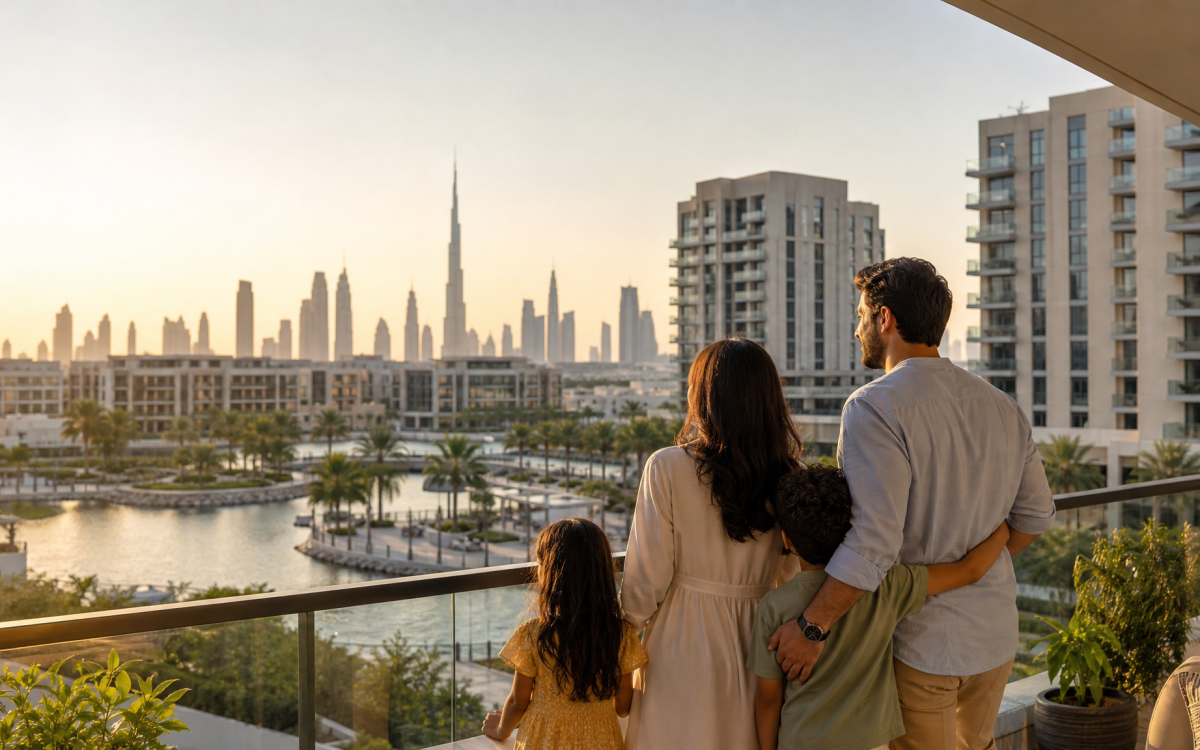
Key Takeaways
- Dubai offers a highly international lifestyle with residents from more than 200 nationalities, supported by strong infrastructure, business opportunities, and modern communities.
- Expats can choose from diverse neighborhoods including Downtown Dubai, Dubai Marina, Dubai Hills Estate, Jumeirah, Dubai Creek Harbour, and Palm Jumeirah depending on lifestyle and budget.
- Dubai provides world-class transportation, healthcare, education, and residential infrastructure designed for both professionals and families.
- Foreign buyers can purchase property in designated freehold areas, while residents can also choose from a wide range of rental options.
- Choosing the right community is one of the most important decisions for expats because location affects commuting, schools, lifestyle, and property value.
- FGREALTY helps international clients compare communities, explore verified properties, and make informed decisions when moving to Dubai.
Is Dubai a Good Place to Live for Expats?
Yes, Dubai is considered one of the leading global destinations for expatriates because it combines career opportunities, modern infrastructure, safety, and an international lifestyle. The city attracts professionals, entrepreneurs, families, and investors who want access to global business networks while living in a well-planned urban environment.
The main decision for newcomers is not whether Dubai offers opportunities, but which community, property type, and lifestyle best match their needs. A professional working in Downtown Dubai may prioritize metro access, while a family may prefer communities with schools, parks, and larger homes.
Dubai’s residential market reflects this diversity, offering everything from high-rise apartments in central districts to waterfront villas and master planned suburban communities.
Dubai’s Growing Residential Market for Expats
Dubai continues to attract international residents through business expansion, tourism, infrastructure development, and real estate investment. According to the Dubai Statistics Center, Dubai’s population exceeded 4 million residents in 2025, reflecting continued demand for housing, services, and community infrastructure.
The city’s real estate sector has also expanded significantly. Data from the Dubai Land Department shows sustained transaction activity across residential sales, including apartments, villas, and off-plan developments.
For expats, this growth means more choices across different price segments. Buyers and renters can select established communities with existing facilities or newer developments designed around future growth.
What Makes Dubai Attractive for International Residents?
Dubai’s appeal comes from a combination of lifestyle, economic opportunities, and urban planning.
Key advantages include:
- A multicultural population with residents from more than 200 nationalities.
- A strategic location connecting Europe, Asia, and Africa.
- A tax environment with no personal income tax on salaries for individuals.
- Modern residential communities with integrated amenities.
- International schools offering different curricula.
- Advanced healthcare facilities.
- A safe environment supported by strong public services.
- A wide range of housing options for different budgets.
For many expats, Dubai provides a balance between professional opportunities and lifestyle convenience that is difficult to find in other global cities.
Which Areas Are Best for Expats Living in Dubai?
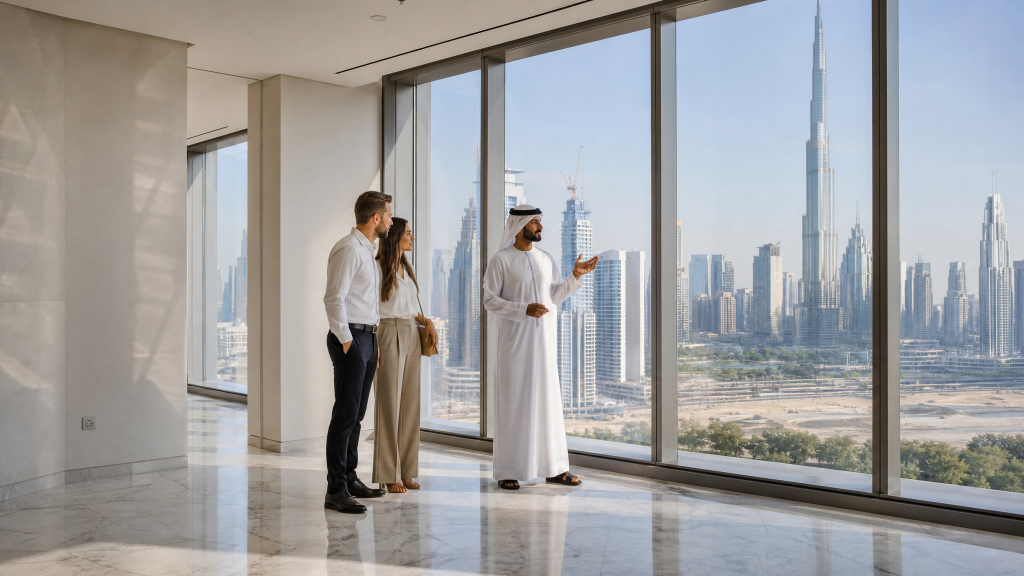
The best area depends on your lifestyle, workplace, family requirements, and long-term plans. Dubai does not have a single “best” neighborhood because every community serves different needs.
Downtown Dubai
Downtown Dubai is ideal for professionals who want to live near major business districts and entertainment destinations. The area offers luxury apartments, direct access to Sheikh Zayed Road, and proximity to Business Bay and Dubai International Financial Centre (DIFC).
Popular with:
- Executives
- Business owners
- Professionals working in central Dubai
- Buyers seeking premium apartments
Dubai Marina
Dubai Marina remains one of the most popular choices among expats because of its waterfront lifestyle, restaurants, walking areas, and access to public transport.
The community mainly offers apartments and attracts:
- Young professionals
- International tenants
- Investors targeting rental demand
Its location provides convenient access to areas such as Jumeirah Beach Residence (JBR), Dubai Media City, and Dubai Internet City.
Dubai Hills Estate
Dubai Hills Estate is designed for families seeking a quieter residential environment without moving far from Dubai’s business districts.
The community offers:
- Apartments
- Townhouses
- Villas
- Schools
- Parks
- Retail facilities
It has become popular among families because it combines suburban living with access to Downtown Dubai and major highways.
Dubai Creek Harbour
Dubai Creek Harbour attracts residents looking for modern waterfront living with long-term development potential.
The community offers:
- Waterfront apartments
- Marina views
- Retail and dining options
- Green spaces
- Proximity to Dubai International Airport
It appeals to buyers and residents who want a newer community with future growth potential.
How Much Does It Cost to Live in Dubai?
Living costs in Dubai vary significantly depending on lifestyle, location, housing choice, and family size. Housing usually represents the largest expense for most residents.
Major living expenses include:
- Rent or mortgage payments
- Utilities and internet
- Transportation
- School fees
- Healthcare insurance
- Food and lifestyle expenses
Housing costs differ widely between communities. A studio apartment in an emerging area will have a very different cost profile compared with a luxury apartment in Palm Jumeirah or Downtown Dubai.
Expats should evaluate the total monthly budget rather than focusing only on rent or property prices.
Renting vs Buying Property in Dubai as an Expat
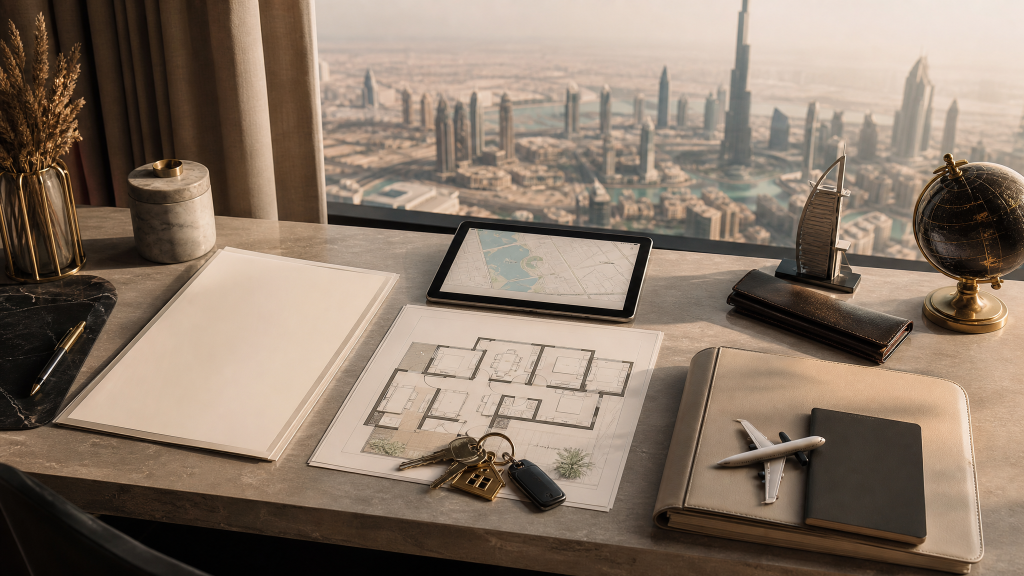
Expats often choose between renting first or purchasing property after understanding the market.
Renting can be suitable for:
- New arrivals exploring different communities
- Professionals with uncertain relocation plans
- Residents testing different lifestyles
Buying may suit:
- Long-term residents
- Investors seeking rental income
- Families planning to stay in Dubai
- Buyers interested in property ownership and potential residency benefits
Many international buyers begin by renting in their preferred community before purchasing a property that matches their long-term requirements.
Education, Healthcare and Family Life in Dubai
For families relocating to Dubai, schools and healthcare should be evaluated before choosing a neighborhood. Dubai’s private education sector had 227 schools, 387,441 students, and 17 curricula in the 2024 to 2025 academic year. The healthcare system also has extensive licensed infrastructure, with 1,888 healthcare facilities connected to the NABIDH digital health platform by June 2025.
What Is Education Like for Expats?
Dubai offers a wide choice of international curricula, making it easier for families to continue an established education pathway after relocating.
The 2024 to 2025 private school landscape included:
- 227 private schools
- 387,441 students
- 185 nationalities represented
- 17 different curricula
- 27,284 teachers
The UK curriculum accounted for 37% of enrollment, followed by the Indian curriculum at 26%, the US curriculum at 14%, and the International Baccalaureate at 7%.
Families should shortlist schools before choosing a home because school location can significantly affect daily commuting. KHDA also provides official school performance and inspection information that parents can use when comparing schools.
What Healthcare Options Are Available?
Dubai provides residents with access to a broad network of public and private healthcare providers. The Dubai Health Authority reported 4.9 million beneficiaries under Dubai’s health insurance system in 2025, up from approximately 4.6 million in 2024.
Dubai’s NABIDH platform also held more than 10.41 million medical records and included 1,888 licensed healthcare facilities by the end of June 2025.
For expats, healthcare planning should include:
- Employer-provided or personal health insurance
- Hospitals and clinics near home
- Access to specialist care
- Emergency healthcare availability
- Pharmacy access
When choosing between communities, proximity to healthcare can matter as much as proximity to offices or schools, particularly for families.
How Easy Is It to Get Around Dubai?
Dubai offers an extensive public transportation network, while major roads connect residential communities with commercial districts and airports. The Dubai Metro operates Red and Green lines, while the Dubai Tram serves areas including Dubai Marina, Jumeirah Beach Residence, and Palm Jumeirah.
For residents without a car, living close to a Metro station can materially improve daily mobility.
Communities With Strong Public Transport Access
Metro and tram-connected locations include:
- Downtown Dubai
- Business Bay
- Dubai Marina
- Jumeirah Lakes Towers
- Dubai Internet City
- Dubai Healthcare City
- Dubai Investment Park
- Dubai South
The right location depends on where you work. A property that looks inexpensive on paper may become less attractive if a long daily commute adds significant transportation time and expense.
What Should Expats Know About Dubai’s Lifestyle?
Dubai offers a highly international environment, but the best lifestyle depends heavily on the community selected. Waterfront districts such as Dubai Marina and Palm Jumeirah offer a different residential environment from family-oriented communities such as Dubai Hills Estate or Arabian Ranches.
Before renting or buying, consider:
- Distance from your workplace
- School location
- Public transportation
- Access to healthcare
- Parks and recreational facilities
- Shopping and dining
- Property type
- Community service charges
- Future development around the property
For property buyers, these factors matter beyond lifestyle. A community with strong infrastructure and sustained occupier demand can also be more attractive to future tenants and buyers.
What Should You Know Before Buying a Home in Dubai?
Foreigners can purchase property in Dubai’s designated freehold areas. The Dubai Land Department confirms that foreign ownership applies in freehold areas, while its property status service identifies whether a specific property is freehold or non-freehold.
This makes property verification particularly important. Do not assume that every property in Dubai carries the same ownership rights.
Before purchasing, check:
- Whether the property permits foreign ownership
- Title and ownership records
- Developer or seller details
- Service charges
- Property condition
- Existing tenancy arrangements
- Community infrastructure
- Future development plans
- Total acquisition costs
Dubai Land Department states that real estate transactions must be registered with the department and that unregistered transactions are considered invalid.
For investors, the decision should also consider rental demand, property liquidity, expected holding period, and the difference between the asking price and recent comparable transactions.
What Should You Do Before Moving to Dubai?
A practical relocation plan can prevent many avoidable problems.
Dubai Relocation Checklist
Before arrival:
- Establish your employment or business arrangements.
- Research visa and residency requirements.
- Shortlist neighborhoods based on your workplace.
- Research schools if relocating with children.
- Compare rental and purchase options.
- Arrange appropriate health insurance.
- Set a realistic housing and transportation budget.
After arrival:
- Visit shortlisted communities personally.
- Inspect properties before signing where possible.
- Confirm tenancy or purchase documentation.
- Check commuting times during working hours.
- Compare nearby schools and healthcare facilities.
- Review community facilities and annual charges.
- Keep copies of contracts and official documents.
For international buyers purchasing remotely, additional due diligence becomes particularly important.
How FGREALTY Helps Expats and Property Buyers
FGREALTY UAE helps international clients approach Dubai real estate from both a property and relocation perspective. Our role is not simply to show available units. We help buyers understand how location, property type, community infrastructure, and investment objectives fit together.
Our support can include:
- Verified listings across residential and commercial markets
- Area expertise covering established and emerging Dubai communities
- Investment guidance based on location, property type, rental demand, and buyer objectives
- Relocation support for international clients moving to Dubai
- Buying process guidance from property selection through transaction coordination
- Commercial property assistance for business owners seeking offices, retail units, or other commercial opportunities
For example, a family considering Dubai Hills Estate may need to prioritize schools, parks, larger homes, and commuting routes. An investor considering Dubai Marina may instead focus on apartment demand, building quality, service charges, and rental performance.
That difference is why property selection should start with the buyer’s objective rather than simply the most attractive listing.
FAQs
Q: Can children follow an international curriculum in Dubai?
A: Yes. Dubai’s private schools offered 17 curricula in the 2024 to 2025 academic year, including UK, US, Indian, and International Baccalaureate programs.
Q: Is public transportation available throughout Dubai?
A: Dubai has an extensive Metro, tram, bus, and other public transportation network, although coverage varies by community. The Metro’s Red and Green lines serve many major residential and commercial districts.
Q: Do expats need health insurance in Dubai?
A: Health insurance requirements depend on the individual’s residency and employment circumstances. Expats should confirm their specific coverage obligations and ensure they have appropriate medical insurance.
Q: Can foreigners buy homes in Dubai before becoming residents?
A: Yes. Foreign nationals can purchase eligible property in designated freehold areas without first becoming UAE residents.
Q: Which is better for an expat, renting or buying?
A: Renting can make sense when you are new to Dubai and still comparing communities. Buying may become more suitable when you have a longer time horizon and have identified a property that fits your financial and lifestyle objectives.