
Dubai vs. Abu Dhabi: Which UAE City Is Better for Property Investment?
Key Takeaway
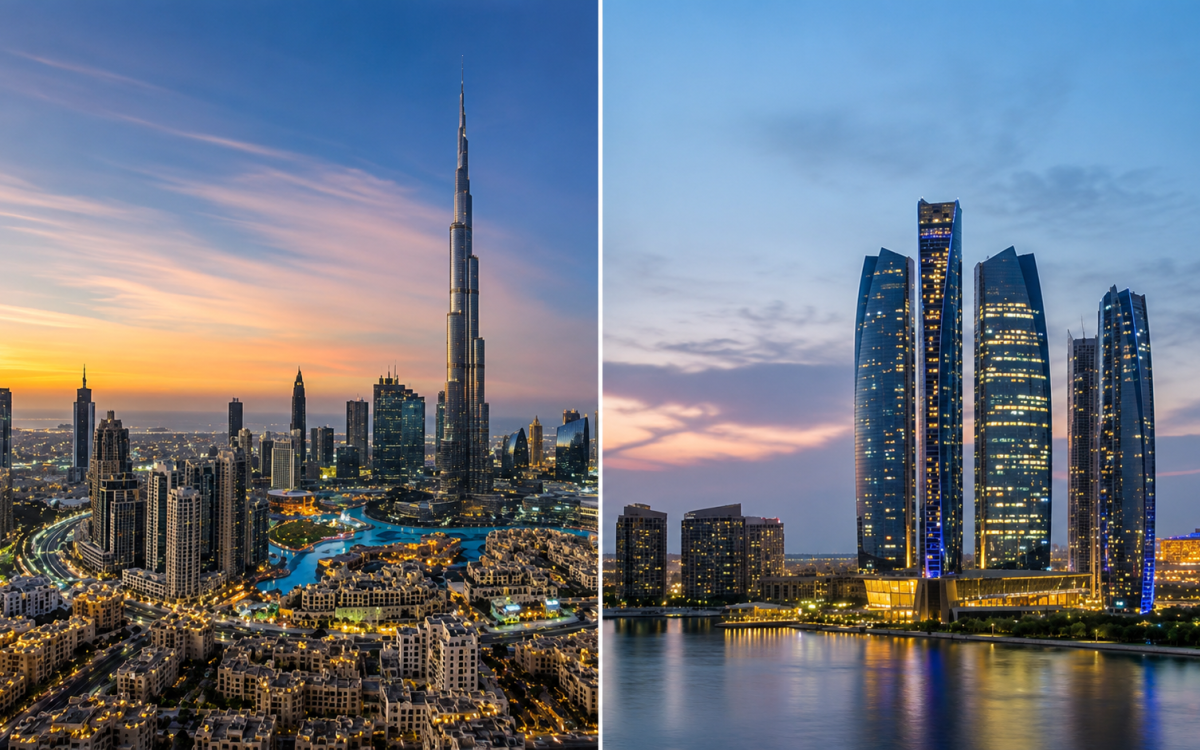
Dubai and Abu Dhabi are the UAE’s two largest real estate markets, but they appeal to different types of investors. Dubai offers a larger property market, higher transaction activity, and a wider selection of freehold communities, making it attractive for investors seeking rental income and capital appreciation. Abu Dhabi provides a stable market supported by long-term government planning, strong end-user demand, and growing investment zones. The better choice depends on your investment objectives, budget, and preferred property type.
Dubai and Abu Dhabi Lead the UAE Property Market
The UAE continues to attract international property investors through its investor-friendly regulations, modern infrastructure, and transparent real estate framework. While opportunities exist across several emirates, Dubai and Abu Dhabi consistently account for the country’s largest share of residential and commercial real estate activity.
Dubai is internationally recognized for its dynamic property market, luxury developments, and diverse investment opportunities. Abu Dhabi, the nation’s capital, has built a reputation for sustainable urban planning, institutional investment, and long-term economic stability.
For buyers considering the UAE, comparing these two cities is often the first step toward identifying the right investment strategy.
Dubai Real Estate Market
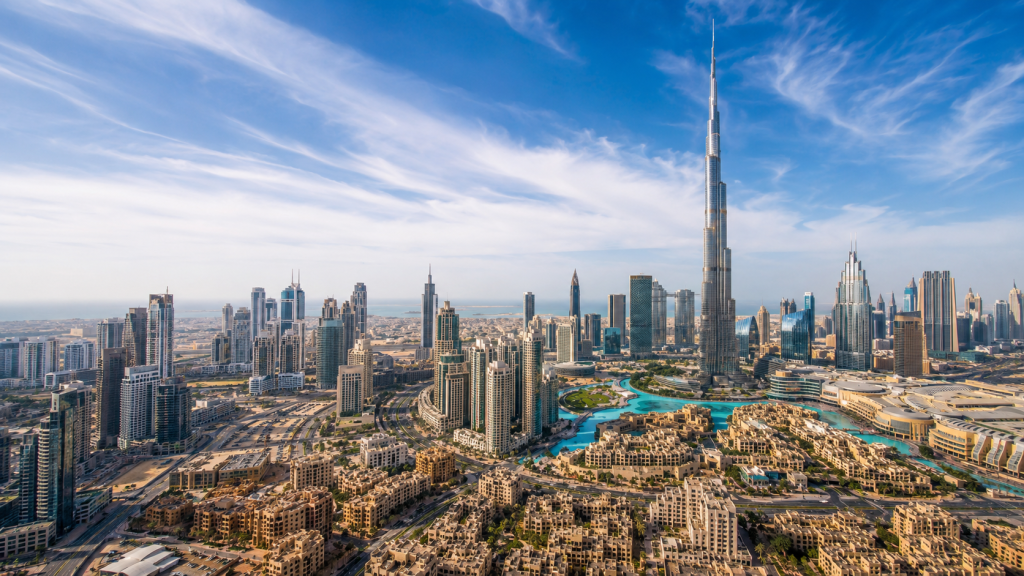
Dubai has developed one of the world’s most active real estate markets. The city attracts investors from across Europe, Asia, North America, and the Middle East due to its extensive range of residential communities, business districts, and waterfront developments.
According to the Dubai Land Department, the emirate continues to record record-breaking transaction volumes, reflecting sustained demand from both local and international buyers. Government initiatives, expanding infrastructure, and continued population growth have supported long-term market confidence.
Popular investment communities include:
- Dubai Marina
- Downtown Dubai
- Business Bay
- Palm Jumeirah
- Dubai Hills Estate
- Dubai Creek Harbour
- Jumeirah Village Circle
- Dubai South
- Emaar Beachfront
These locations appeal to investors because of their established infrastructure, strong rental demand, and broad range of residential options.
Why Investors Choose Dubai
Dubai appeals to buyers seeking a fast-moving market with diverse opportunities.
Key advantages include:
- Extensive selection of freehold communities.
- Strong international buyer demand.
- High transaction liquidity.
- Wide variety of apartments, villas, townhouses, and branded residences.
- Established short-term and long-term rental markets.
- Continuous launch of new master planned developments.
- Global business and tourism hub supporting housing demand.
Dubai also benefits from long-term initiatives such as the Dubai Economic Agenda D33, which aims to strengthen the city’s position as one of the world’s leading business and investment destinations.
Abu Dhabi Real Estate Market
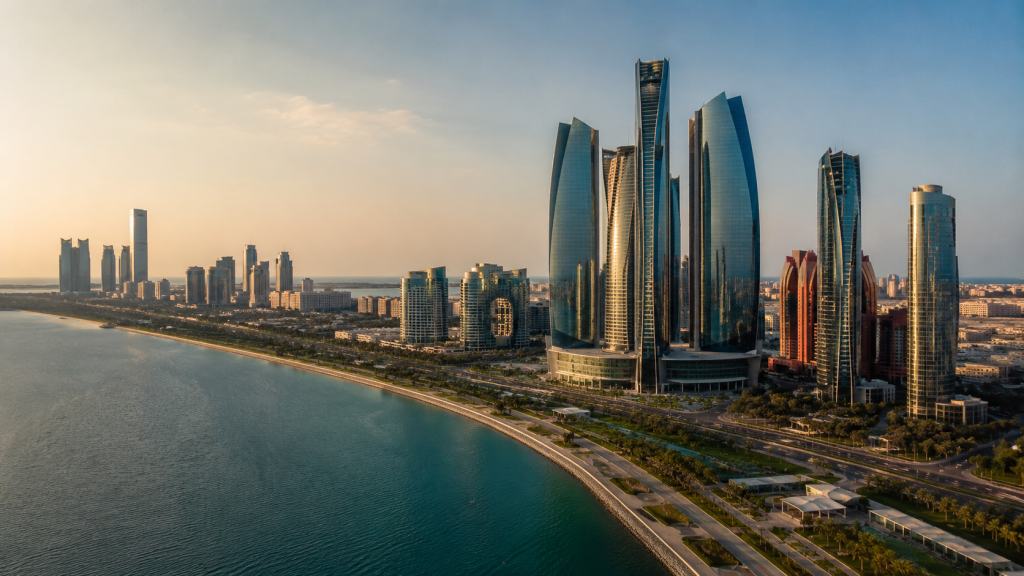
Abu Dhabi offers a different investment profile. Rather than rapid expansion, the capital focuses on sustainable development, economic diversification, and carefully planned residential communities.
The Abu Dhabi Real Estate Centre has reported continued growth in transaction activity, reflecting increasing investor confidence and expanding foreign ownership opportunities within designated investment zones.
Popular investment locations include:
- Yas Island
- Saadiyat Island
- Al Reem Island
- Al Raha Beach
- Masdar City
These communities combine residential, commercial, educational, cultural, and leisure facilities, making them attractive to both investors and end users.
Why Investors Choose Abu Dhabi
Abu Dhabi appeals to buyers seeking long-term market stability.
Its strengths include:
- Government-backed urban planning.
- Growing institutional investment.
- Premium waterfront communities.
- Expanding freehold investment zones.
- Strong demand from professionals and families.
- Stable residential market supported by economic diversification.
- High-quality infrastructure and public services.
Many buyers also value Abu Dhabi’s emphasis on sustainable development, cultural destinations, and family-oriented communities.
Comparing Dubai and Abu Dhabi for Property Investment
Although both cities operate under the UAE’s transparent real estate framework, they serve different investment strategies.
Property Selection
Dubai offers a significantly larger inventory of residential and commercial properties. Investors can choose from luxury apartments, beachfront villas, branded residences, townhouses, off-plan communities, and commercial assets across dozens of freehold districts.
Abu Dhabi has a smaller but steadily expanding inventory concentrated within designated investment zones. Supply growth is generally more measured, contributing to market stability.
Rental Demand
Dubai experiences strong rental demand from professionals, entrepreneurs, expatriates, and tourists. Communities close to business districts, transportation networks, and lifestyle destinations often maintain high occupancy rates.
Abu Dhabi’s rental market is largely supported by long-term residents, government employees, multinational companies, and families seeking stable residential communities.
Capital Appreciation
Both cities have experienced property value growth, although performance varies by community and property type.
Dubai’s highly active market has historically offered greater potential for capital appreciation in prime and emerging communities during periods of strong demand.
Abu Dhabi generally demonstrates steadier price movement supported by long-term planning and balanced market growth.
Lifestyle
Dubai is known for its fast-paced international environment, luxury retail, entertainment, hospitality, and business opportunities.
Abu Dhabi offers a more relaxed urban environment with cultural institutions, waterfront developments, family-focused neighborhoods, and government administrative centers.
International Investment
Dubai attracts one of the world’s most diverse investor bases due to its global connectivity and large freehold market.
Abu Dhabi has also experienced growing international investment as foreign ownership regulations continue evolving and new investment zones are introduced.
Which City Is Better for Different Investment Goals?
There is no single answer for every investor. The better choice depends on your financial objectives, preferred property type, investment timeline, and risk tolerance.
Dubai May Be the Better Choice If You:
- Want access to a larger and more diverse property market.
- Are seeking strong rental demand in established communities.
- Prefer a wide selection of off-plan and ready properties.
- Want exposure to luxury, branded, or waterfront developments.
- Are looking for a market with high transaction activity and liquidity.
Dubai is particularly attractive for investors focused on income-generating assets, portfolio diversification, and capital appreciation in globally recognized communities.
Abu Dhabi May Be the Better Choice If You:
- Prefer long-term market stability.
- Plan to purchase a home for personal use or long-term residency.
- Value master planned communities with family-oriented amenities.
- Are interested in premium waterfront developments supported by government-led planning.
- Prefer a market with measured supply growth and steady demand.
Abu Dhabi appeals to buyers looking for sustainable long-term investment rather than rapid market cycles.
Factors to Consider Before Investing
Regardless of the city you choose, every property purchase should be supported by careful research and due diligence.
Before making an investment, consider:
- Your long-term financial objectives.
- Budget and financing options.
- Rental demand within the community.
- Infrastructure and future development plans.
- Annual service charges.
- Developer reputation for off-plan projects.
- Historical market performance.
- Property management requirements if purchasing from overseas.
Selecting the right community is often more important than choosing between Dubai and Abu Dhabi alone. Prime locations with strong infrastructure, established amenities, and consistent buyer demand generally offer greater long-term resilience.
How FGREALTY Helps You Choose the Right Investment
Every investor has different priorities, whether the goal is rental income, long-term appreciation, portfolio diversification, or finding a primary residence.
FGREALTY UAE helps buyers evaluate opportunities across Dubai and Abu Dhabi by providing verified property listings, market insights, and guidance tailored to individual investment goals. Our team assists clients in comparing communities, understanding ownership regulations, evaluating market trends, and identifying properties that align with their objectives.
Whether you are considering a luxury apartment in Downtown Dubai, a waterfront villa on Palm Jumeirah, an investment property in Business Bay, or a premium residence on Yas Island or Saadiyat Island, FGREALTY provides the local expertise needed to make informed real estate decisions.
FAQs
Q: Is Dubai or Abu Dhabi better for foreign property investors?
A: Both cities welcome foreign investment in designated freehold or investment zones. Dubai offers a larger and more active property market, while Abu Dhabi is known for its stable, long- term growth and carefully planned communities.
Q: Which city offers higher rental demand?
A: Dubai generally experiences stronger rental demand due to its larger expatriate population, global business environment, and tourism sector. Rental performance, however, depends on the property’s location and type.
Q: Is property more affordable in Abu Dhabi?
A: Property prices vary by community in both cities. While Abu Dhabi may offer competitive pricing in some areas, premium locations in either emirate can command similar values. Buyers should compare properties based on location, amenities, and long-term investment potential rather than price alone.
Q: Can foreigners buy freehold property in both cities?
A: Yes. Foreign buyers can purchase property in designated freehold or investment zones in both Dubai and Abu Dhabi, subject to the regulations established by the respective land authorities.